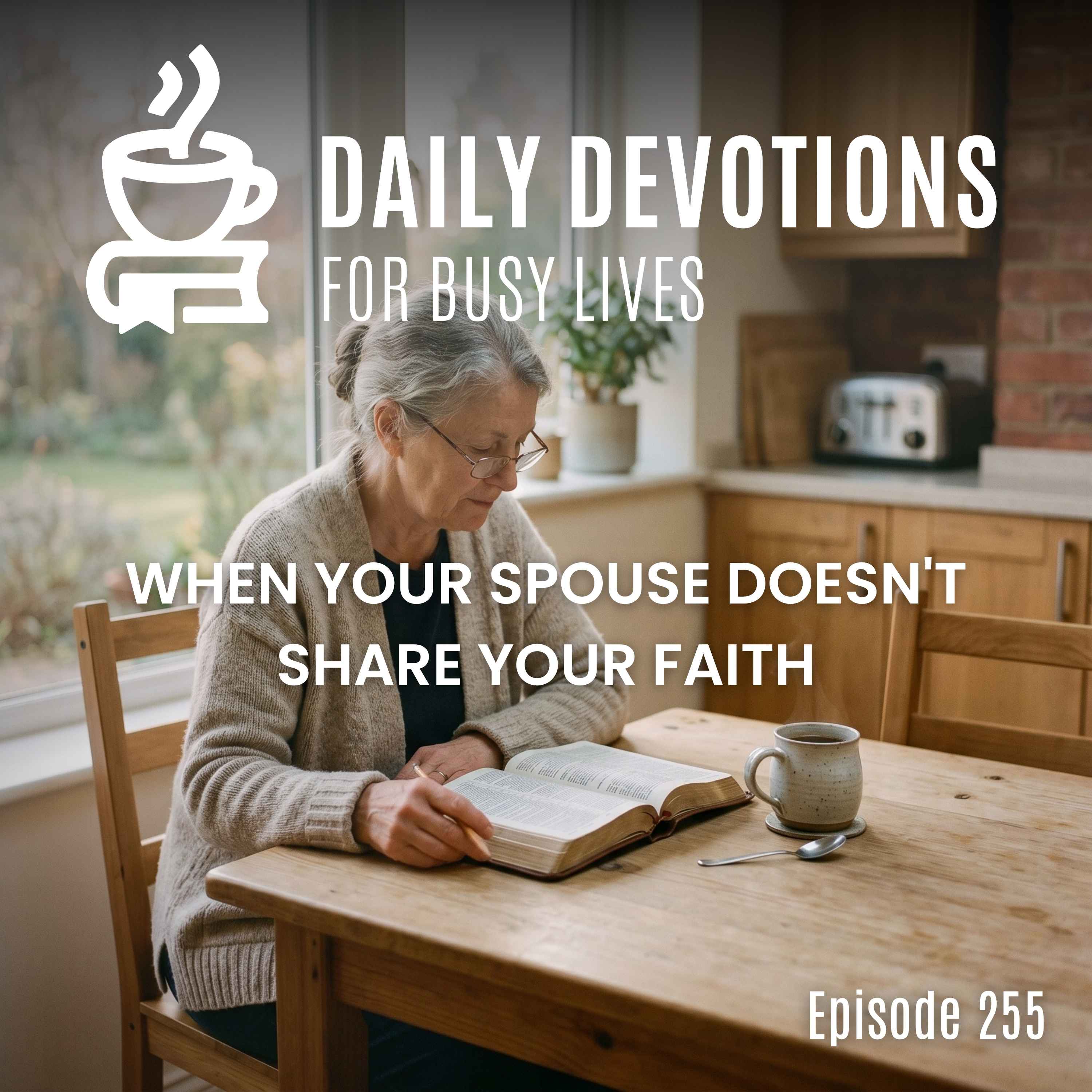
Cultivating Inner Peace When Your Spouse Is Spiritually Uninterested
Does the spiritual silence from your spouse leave you feeling isolated? You can find deep contentment and spiritual peace right where you are. Discover how to nurture your own walk with God, even when your partner isn't on the same faith journey. This isn't about changing them, but strengthening you.
Key Takeaways
- Focusing on your personal relationship with God is the most effective way to foster peace in a faith-divided marriage.
- Biblical principles, like those in 1 Corinthians 7, encourage staying in the marriage and finding holiness within it.
- Prayer is a powerful tool for your spiritual resilience, not a strategy to convert your spouse.
- Trusting God's sovereign timeline for your spouse's spiritual journey releases you from unnecessary pressure and anxiety.
- Your faithful presence and pursuit of God can be a quiet testament that influences your marriage in unseen ways.
- Inner peace is cultivated by surrendering control and focusing on what you *can* control: your own faith walk.
Finding Serenity in Your Own Spiritual Journey
The quiet disconnect of a faith-divided marriage can be one of the most profound sources of loneliness we experience. When the very core of your identity and hope—your faith—isn't shared by your closest companion, it can feel like a fundamental part of your life is unseen or unacknowledged. This isn't about marital strife or lack of love; it's a specific type of isolation that can settle in, even in an otherwise happy relationship. Many believers wrestle with the desire to evangelize their spouse, to find ways to bridge the spiritual chasm, or simply to lament the lack of shared spiritual experiences. However, the most effective path to peace and contentment, as highlighted in daily devotions for busy lives, isn't about trying to engineer your spouse's faith journey. Instead, it's about intentionally and powerfully cultivating your own inner spiritual life.
This approach shifts the focus from an external problem (your spouse's lack of faith) to an internal solution (your own spiritual strength and peace). The Bible speaks directly to this dynamic. In 1 Corinthians 7, the Apostle Paul advises believers married to unbelievers to remain in their marriages. This is not a call to endure spiritual isolation silently, but rather a directive to find holiness and purpose within the existing circumstances. It means recognizing that God's work is often unseen, operating on a timeline far beyond our immediate perception. Your primary role, and the source of your greatest peace, lies in nurturing your personal relationship with God. This commitment doesn't negate the importance of your marriage; rather, it fortifies you, equipping you with resilience, wisdom, and a profound sense of purpose that can navigate the unique challenges of a spiritually divergent household.
The Principle of Remaining and Finding Holiness
The instruction in 1 Corinthians 7:12-14 offers a foundational principle for believers in mixed-faith marriages: "To the rest I say this. If any brother has a wife who is not a believer and she is willing to live with him, he must not divorce her. And if a woman has a husband who is not a believer and he is willing to live with her, she must not divorce him. For the unbelieving husband is made holy because of his wife, and the unbelieving wife is made holy because of her brother. Otherwise your children would be unclean, but as it is, they are holy." While this passage doesn't detail a conversion strategy for the unbelieving spouse, it offers a profound perspective on the believing spouse's role. Your presence, your faith, and your commitment to God imbue the marriage and family with a unique holiness. This isn't about a passive spiritual influence; it's about actively living out your faith in a way that brings a distinct spiritual aroma to the home. The peace you cultivate within yourself, through your devotion to God, becomes a foundational element of this holiness.
Understanding this principle liberates you from the immense pressure of being the sole agent of spiritual change for your spouse. Your job isn't to convert them, but to live out your faith authentically. This means engaging deeply with Scripture, prayer, and community yourself. It means finding your deepest sense of belonging and purpose in God, which in turn allows you to engage with your spouse from a place of strength rather than desperation or unmet need. When your spiritual well-being is anchored in God, the spiritual differences in your marriage become less of a source of anxiety and more of a context for your personal growth in grace and patience. The serenity you discover isn't dependent on your spouse's spiritual status, but on your unwavering commitment to your own walk with the divine.
Prayer as a Pillar of Personal Strength
Prayer is often the first and most natural recourse for a believer navigating a faith-divided marriage. However, the way we approach prayer in this context can significantly impact our own peace. Instead of praying for your spouse's immediate conversion – which can often breed frustration and a sense of futility when results aren't seen – consider reframing prayer as a primary tool for cultivating your own spiritual resilience and peace. Pray for wisdom to navigate difficult conversations. Pray for patience when you feel misunderstood. Pray for strength to maintain your own commitments to faith practices amidst the differing rhythms of your household. Pray for opportunities to demonstrate God's love through your actions, without expectation of immediate reciprocation.
This reorientation of prayer empowers you. It acknowledges that while you cannot control your spouse's spiritual journey, you can influence your own heart and responses. By consistently bringing your own needs, your struggles, and your desires for peace before God, you build an inner fortress of faith. This consistent communion strengthens your resolve, deepens your trust, and allows you to remain steadfast in your own spiritual convictions. The peace that flows from this practice is not a superficial calm, but a deep-seated assurance that God is with you, working in ways you may not comprehend, and that your spiritual life is vibrant and secure, regardless of external circumstances. This is the essence of finding serenity: your peace is found in your direct relationship with God, not in the spiritual alignment of your spouse.
Trusting God's Timeline for Unseen Work
One of the greatest challenges in a faith-divided marriage is the temptation to impose our own timeline on God's work. We see a need for spiritual connection, we desire shared spiritual experiences, and we naturally want to see those desires fulfilled quickly. However, the biblical narrative, and indeed life itself, often unfolds over much longer periods than we anticipate. The episode "When Your Spouse Doesn't Share Your Faith" from Daily Devotions for Busy Lives offers encouragement rooted in this very concept: God works on a longer timeline than we do. Your faithfulness, your prayers, and your consistent walk with Christ are not in vain, even if the immediate results aren't visible. Trusting God's timeline means releasing the anxiety of unmet expectations and finding peace in the present moment. It's about surrendering the 'when' and 'how' of your spouse's potential spiritual journey to God, and focusing on your 'now' – your walk with Him.
This trust is not passive resignation; it's an active faith that acknowledges God's sovereignty and His perfect wisdom. It frees you from the burden of feeling responsible for orchestrating your spouse's spiritual awakening. Instead, you can focus on being a faithful witness through your life and actions, and on maintaining your own spiritual vitality. The peace you cultivate by relinquishing this control is immense. It allows you to experience joy and contentment in your marriage, recognizing that while you may not share every spiritual viewpoint, you can still find deep fulfillment in your personal relationship with God and in the love you share in other aspects of your marriage. This inner peace, cultivated through faith and trust in God's timing, is the ultimate serenity in a faith-divided home.
Learn more about navigating these unique marital dynamics by listening to the full episode: When Your Spouse Doesn't Share Your Faith.
Frequently Asked Questions
- Q: How can I avoid becoming bitter if my spouse is uninterested in my faith?
A: Bitterness often stems from unmet expectations and a sense of unfairness. Cultivating inner peace by focusing on your own relationship with God, practicing gratitude for the blessings you do share, and releasing the pressure to change your spouse can help prevent bitterness. Prayer for your spouse's well-being, rather than for their conversion, can also foster a more positive perspective. - Q: Is it okay to talk about my faith with my spouse, even if they aren't interested?
A: It's a delicate balance. The key is to share your faith authentically through your life and actions, rather than through constant preaching or pressure. When conversations arise naturally, respond with grace and love, but avoid making it a contentious topic. Your peaceful demeanor and consistent walk with God will often speak louder than words. - Q: What does it mean for my spouse and children to be "made holy" by my faith?
A: This refers to the positive spiritual influence and environment your faith can create within the home. It means that through your prayers, your actions, and your commitment to God, you introduce a sacred element into the marriage and family life, setting a distinct spiritual tone that God can use. - Q: How can I maintain my own spiritual discipline when my spouse doesn't support it?
A: Prioritize your spiritual disciplines as non-negotiable for your well-being. This might involve waking up earlier for quiet time, finding a supportive church community, or scheduling specific times for prayer and study. Communicate the importance of these times to your spouse without demanding their participation, framing it as essential for your personal peace and strength.

I’m a husband, father, pastor, and lifelong encourager with a passion for helping people grow in their faith, especially when life feels full and fast-paced. After forty years of ministry and walking with people through both joy and crisis, I’ve learned that the most powerful moments with God often come in the middle of our everyday routines.
Whether I’m teaching the Bible, offering support during difficult seasons, or simply sharing a word of encouragement, my heart is to remind you that God is faithful—even in the chaos. I don’t believe you have to be perfect to grow spiritually. You just need a willing heart and a little space to pause, listen, and trust that God is working in your story.